Therapeutic Methods
Bottom-up therapeutic approaches honors the body in healing, working with both sensations and emotions. Because these experiences live in the body, healing is most effective when the body is included alongside the mind. Each session is tailored to your needs, supporting the nervous system with gentle awareness, curiosity, and care—without pressure or judgment
Somatic Experiencing
Somatic Experiencing (S.E) helps the body release stress and trauma, turning stuck, overwhelming experiences into healing, resilience, and a sense of safety. S.E., developed by Peter Levine, is a highly effective approach known for its positive impact on the nervous system. Sessions are focused on completing what the body couldn’t process during the original event, using the body’s memory to build healthier neural pathways.

Sensorimotor Psychotherapy
Healing happens when we listen to both the mind and the body. By gently including emotions and body responses, old trauma patterns can soften and new understanding can emerge. Sensorimotor Psychotherapy, developed by Pat Ogden, supports this connection by exploring how life experiences and attachment shape the way we feel and respond. This work offers a compassionate space to understand your story while helping your nervous system find greater ease and balance.
Mindfulness and Energy Healing

Mindfulness supports trauma healing by helping the body experience the present moment with greater safety and ease. By gently noticing breath, sensation, and the environment, the nervous system can settle and learn new patterns of regulation. Alun’s system, guides clients in connecting with internal and external resources that build resilience and lasting safety. These sessions are not about processing trauma, but about learning to stay grounded in the present, and strengthening supportive resources.
Brainspotting
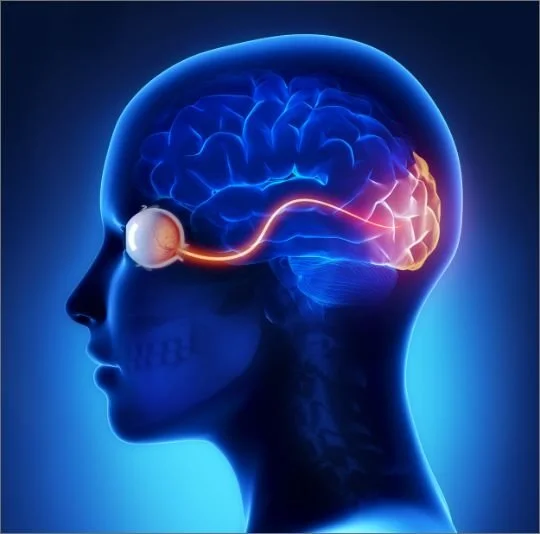
Developed by David Grand, this technique is a powerful tool for individuals who struggle with self-regulation or feel disconnected from themselves. Using guided visual fields, clients are supported in accessing internal resources, helping memories and stressors feel more manageable and less overwhelming.
Parts Work
Dissociation is an adaptive survival response to overwhelming experiences, but it can become limiting when a person continues to identify with past events long after the stress has passed. Approaches developed by Richard Schwartz and Janina Fisher help clients recognize that these reactions belong to parts of the system, not the whole self. By creating gentle distance from reactive parts, individuals can reconnect with other parts that hold safety and positive experience. This approach is especially effective for PTSD, developmental trauma, and mood disorders